Strategic Applications of Black Mandala Design for Brand Identity and Creative Projects
In the realm of visual communication, the choice of imagery is rarely just an aesthetic decision; it is a strategic one that influences perception, brand positioning, and user engagement. The Black Mandala Design represents a convergence of geometric precision and symbolic depth, offering a versatile asset for professionals who require more than mere decoration. When integrated thoughtfully into a broader creative strategy, these designs serve as powerful tools for establishing authority, enhancing focus, and creating a memorable visual language across various media.
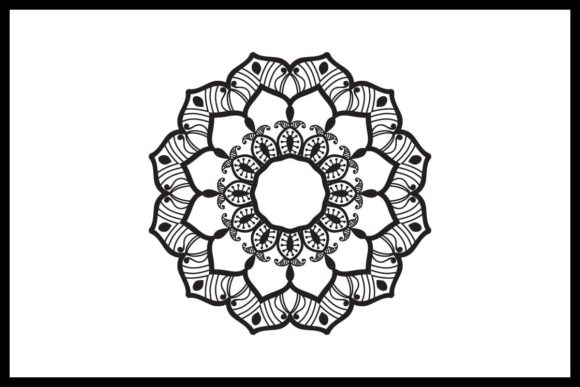
A Black Mandala is not simply a pattern; it is a structured composition rooted in symmetry and balance. The use of black ink or negative space against a contrasting background creates a high-impact visual that commands attention without relying on aggressive color palettes. For entrepreneurs, marketers, and creators, understanding the utility of such assets is crucial. Whether you are developing a corporate identity, designing packaging, or curating content for digital platforms, the intentional deployment of a Black Mandala Design can elevate the perceived value of your work.
The Strategic Value of High-Contrast Geometric Imagery
The primary advantage of utilizing a Black Mandala Design lies in its versatility and psychological impact. Black is often associated with sophistication, luxury, power, and mystery. When combined with the intricate, repeating patterns of a mandala, the result is an image that suggests order within complexity. This duality is highly effective for branding purposes. It signals to your audience that your business or project is grounded, detailed, and refined.
From a practical standpoint, these designs function exceptionally well because they are format-agnostic. The files typically provided in a comprehensive package—often including AI, EPS, JPG, and PNG formats—ensure that you can adapt the asset to any medium. The vector formats (AI and EPS) are particularly critical for scalability. They allow you to resize the design from a small favicon to a large-scale billboard without any loss of resolution. This flexibility is essential for maintaining brand consistency, a key pillar of long-term marketing success.
Furthermore, the monochromatic nature of a black mandala simplifies the design process. It removes the cognitive load of color matching, allowing the texture and form of the pattern to take center stage. This makes it an ideal background element for text-heavy materials, such as white papers, reports, or website headers, where readability must be preserved while still adding visual interest.
Operationalizing Assets: File Formats and Workflow Efficiency
To leverage these designs effectively, one must understand the technical workflow involved. These assets are usually distributed in a ZIP file format. Before any creative work can begin, you must extract these files to access the individual components. This step, while seemingly trivial, is part of a disciplined operational approach. Organizing your digital assets immediately upon extraction ensures that your team can locate the correct file type quickly, reducing friction in the production timeline.
Once extracted, you will typically find four distinct file types, each serving a specific strategic purpose:
- AI (Adobe Illustrator): This is the native source file. It is indispensable for designers who need to modify paths, adjust anchor points, or integrate the mandala seamlessly into a larger vector illustration. Use this when total control over the geometry is required.
- EPS (Encapsulated PostScript): A universal vector format compatible with various design software beyond Adobe. This is the go-to choice for sending files to print vendors or collaborating with external agencies who may not use the same software ecosystem.
- PNG (Portable Network Graphics): Ideally suited for digital applications. The PNG format supports transparency, allowing you to overlay the Black Mandala Design onto colored backgrounds or photographic images without a white bounding box. This is crucial for web design, social media graphics, and app interfaces.
- JPG (Joint Photographic Experts Group): Best for static contexts where file size is a concern and transparency is not needed, such as email newsletters or standard document inserts.
By selecting the appropriate format for the specific channel, you optimize both the quality of the output and the efficiency of your workflow. Relying on a low-resolution JPG for a large print run, for instance, would undermine the professional image you are trying to project. Conversely, using a heavy vector file for a simple web thumbnail could slow down page load times, negatively impacting user experience and SEO.
Applications Across Branding and Marketing Channels
The utility of a Black Mandala Design extends far beyond a single use case. Its application should be dictated by your strategic goals. For logo design, a mandala can serve as the central icon, representing unity and completeness. However, caution is advised; logos must remain legible at small sizes. If the mandala is too intricate, it may lose definition when scaled down for mobile devices. In such cases, simplifying the design or using it as a secondary brand element is a smarter strategic move.
In backgrounds and textures, these designs shine. A subtle, low-opacity black mandala can add depth to a website's hero section or the cover of a digital ebook. It provides a tactile feel to digital spaces, making them feel less sterile and more curated. For physical products, such as packaging or merchandise, the high contrast of black on white (or vice versa) creates a striking shelf presence that draws the eye immediately.
Consider the context of mockups. When presenting a concept to a client or stakeholders, placing your design within a realistic mockup featuring a mandala pattern can enhance the perceived value of the proposal. It frames the product in an environment of elegance and artistic merit, subtly influencing the decision-maker's perception of quality.
Risk Management and Intentional Implementation
While the aesthetic appeal of a Black Mandala Design is undeniable, there are risks associated with its indiscriminate use. The most significant pitfall is using complex patterns without a clear communicative goal. If a design feels cluttered or distracts from the primary message, it fails its strategic purpose. For example, placing a dense black mandala behind small body text can render the content unreadable, frustrating the user and increasing bounce rates.
Another consideration is cultural context. While mandalas are widely recognized as symbols of harmony, their specific interpretations can vary. Ensure that the usage aligns with your brand values and does not inadvertently misrepresent your message. Additionally, overuse can lead to visual fatigue. If every piece of collateral features the same intense pattern, the impact diminishes, and the brand may appear repetitive or lacking in creativity.
To mitigate these risks, adopt a strategy of intentional restraint. Use the design where it adds value—such as emphasizing a key section, framing a call to action, or establishing a mood—rather than applying it as a default skin for all materials. Test your designs with a sample of your target audience to ensure clarity and resonance before full-scale deployment.
Long-Term Value and Decision-Making
Investing in high-quality design assets like a Black Mandala Design package is a decision that pays dividends over time. Unlike trendy illustrations that may date quickly, geometric and symmetrical patterns possess a timeless quality. They can evolve with your brand, serving as a consistent visual thread through years of marketing campaigns and product launches.
For freelancers and agencies, having a library of such versatile assets streamlines the creative process. It allows for rapid prototyping and iteration, enabling you to respond to client needs with speed and professionalism. For small business owners, it offers a cost-effective way to achieve a high-end look without the expense of custom illustration from scratch.
Ultimately, the effectiveness of these designs depends on the wisdom of the user. By understanding the technical specifications, respecting the principles of layout and hierarchy, and aligning the visual style with strategic objectives, you transform a simple graphic file into a potent instrument for business growth. The Black Mandala Design is not just a picture; it is a component of a larger system of communication. Treat it with the rigor and planning it deserves, and it will become a cornerstone of your visual identity.
As you move forward with your projects, remember that the extraction of the ZIP file is merely the first step. The true work begins when you analyze your goals, select the right format, and place the design within a context that amplifies your message. This thoughtful approach distinguishes the amateur from the professional and ensures that your creative efforts yield tangible, measurable results.