Mastering Digital Art with a Painting Brushes Color Collection
In the rapidly evolving landscape of digital illustration, artists are constantly seeking tools that bridge the gap between traditional tactile experiences and modern workflow efficiency. One of the most transformative resources available to contemporary creators is a comprehensive Painting Brushes Color Collection. This asset is not merely a bundle of pre-set hues; it is a curated ecosystem designed to streamline the creative process, ensuring consistency, vibrancy, and professional quality in digital artwork. For designers, illustrators, and hobbyists alike, understanding how to leverage these collections can significantly elevate the final output while reducing the time spent on repetitive color selection tasks.
Understanding the Value of Curated Color Assets
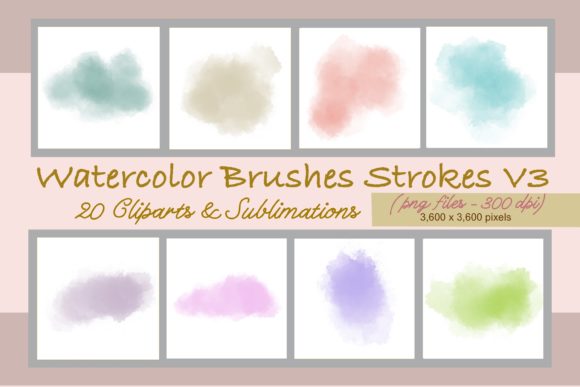
A Painting Brushes Color Collection typically refers to a specialized set of digital assets that combine brush dynamics with predefined color palettes. Unlike standard brush packs that only offer texture and shape, these collections integrate color theory directly into the toolset. The primary goal is to provide users with immediate access to harmonious color schemes that work seamlessly with specific brush behaviors, such as watercolor bleeds, oil paint impasto, or dry media grain.
The challenge many digital artists face is "palette paralysis." With millions of colors available at their fingertips, selecting the right shade for shadows, highlights, and midtones can be overwhelming and time-consuming. A well-structured collection addresses this by offering scientifically or artistically balanced palettes. These palettes are often tested across various lighting conditions and styles, ensuring that the colors interact predictably when layered. By removing the guesswork from color selection, artists can focus more on composition, storytelling, and technique rather than getting bogged down in technical adjustments.
Overcoming Common Creative Challenges
Every artist encounters specific hurdles that can stall progress. One common issue is inconsistency in color temperature throughout a piece. An artwork might start with warm tones but inadvertently drift into cool hues, disrupting the visual harmony. Another frequent problem is the lack of depth in digital paintings, where flat colors fail to convey the richness of traditional media. A high-quality Painting Brushes Color Collection helps mitigate these issues by providing structured layers of color values.
For instance, many collections include separate groups for base tones, shading, and highlighting. This organization encourages a logical workflow where the artist builds up the image systematically. Furthermore, these collections often include specialized brushes that mimic the physical properties of paint, such as transparency and mixing capabilities. When combined with the right colors, these brushes allow for natural blending, solving the problem of rigid, digital-looking edges. The result is a more organic and engaging visual experience that resonates with viewers accustomed to traditional art forms.
Practical Applications and Workflow Integration
Integrating a Painting Brushes Color Collection into your daily workflow requires a shift in mindset from random experimentation to strategic application. Here are several practical ways to maximize the utility of these assets:
- Character Design: Use skin-tone specific sub-collections to ensure realistic and diverse representation. These palettes often include undertones that react naturally to light, making character portraits more lifelike.
- Environment Art: Landscape painters benefit from atmospheric color sets that account for aerial perspective. Collections designed for environments usually feature desaturated background colors and vibrant foreground accents, helping to create depth effortlessly.
- Concept Sketching: Rapid ideation requires speed. Pre-loaded color brushes allow concept artists to block in shapes and moods quickly without stopping to pick colors from a wheel, facilitating faster iteration and client feedback loops.
To implement these tools effectively, it is recommended to organize your software’s library logically. Most professional design software allows users to import custom libraries. By categorizing your Painting Brushes Color Collection by project type or mood, you can retrieve the necessary tools instantly. Additionally, experimenting with layer blending modes in conjunction with these brushes can unlock new textures and effects, further expanding the versatility of the collection.
File Formats: The Importance of EPS, AI, and CDR
When acquiring professional-grade design assets, the file format is just as critical as the content itself. A robust Painting Brushes Color Collection should ideally be available in multiple vector and raster formats to ensure compatibility across different software ecosystems. The inclusion of EPS, AI, and CDR files is a hallmark of a versatile and professional resource.
AI (Adobe Illustrator) files are essential for users within the Adobe Creative Cloud ecosystem. These files preserve editable vector data, allowing designers to scale brush shapes and color swatches without losing resolution. This is particularly useful for creating large-format prints or scalable logos that incorporate painted elements.
EPS (Encapsulated PostScript) serves as a universal bridge between different design applications. It is widely supported by various vector editing programs and is ideal for sharing assets with clients or collaborators who may not use the same software as the creator. EPS files ensure that the integrity of the color profiles and brush vectors remains intact during transfer.
CDR (CorelDRAW) files cater to a significant segment of the professional design community, particularly in printing and signage industries. Including CDR formats ensures that users of CorelDRAW can seamlessly integrate the Painting Brushes Color Collection into their workflows without needing complex conversion processes that might degrade quality. By providing these three formats, creators ensure that their tools are accessible to a broad audience, regardless of their preferred software platform.
Tailoring the Approach to Different Users
Different artists have unique needs, and a flexible Painting Brushes Color Collection accommodates these variations. Beginners often benefit from guided palettes that teach color theory through application. For them, the collection acts as an educational tool, demonstrating how complementary and analogous colors work in practice. Intermediate users might focus on expanding their stylistic range, using the collection to experiment with genres they haven’t previously explored, such as switching from realism to impressionism.
Professional illustrators, on the other hand, value efficiency and brand consistency. They may use customized subsets of the collection to maintain a signature look across multiple projects. For commercial designers, the ability to edit vector files in AI or CDR formats is crucial for adapting brush elements to specific client branding guidelines. Understanding your own position on this spectrum helps in selecting the right collection and utilizing it to its full potential.
Recommendations for Selecting the Right Collection
Not all collections are created equal. When searching for a Painting Brushes Color Collection, consider the following factors:
- Compatibility: Ensure the brushes are compatible with your primary software (e.g., Photoshop, Procreate, Clip Studio Paint) and that vector assets come in EPS, AI, and CDR formats if needed.
- Versatility: Look for collections that offer a wide range of styles, from fine details to broad strokes, to handle various aspects of your artwork.
- Documentation: High-quality resources often include guides or tutorials on how to best utilize the colors and brushes together.
- Community Reviews: Feedback from other artists can provide insights into the usability and quality of the collection.
In conclusion, a Painting Brushes Color Collection is more than just a digital product; it is a catalyst for creativity and efficiency. By addressing common challenges such as palette selection and texture realism, and by offering versatile file formats like EPS, AI, and CDR, these collections empower artists to produce higher quality work with greater ease. Whether you are a novice looking to learn or a professional aiming to optimize your workflow, investing in a well-curated collection can transform your digital art journey.