Mastering Dirty Vector Brush Strokes for Modern Digital Design
In the evolving landscape of digital art and graphic design, the pursuit of perfection has increasingly given way to the appreciation of imperfection. For years, vector graphics were synonymous with clean lines, mathematical precision, and sterile geometry. However, a significant shift has occurred as designers seek to infuse their digital work with the warmth, texture, and organic feel of traditional media. This is where Dirty Vector Brush Strokes have emerged as an essential asset for contemporary creators. These resources bridge the gap between the scalability of vector formats and the raw, tactile quality of hand-drawn ink, charcoal, or paint.
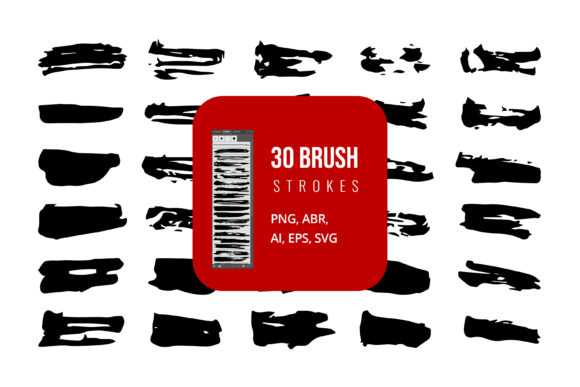
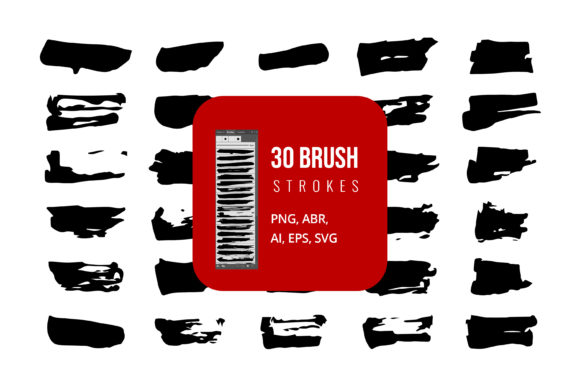
The demand for these textured elements is not merely a fleeting aesthetic trend; it reflects a broader desire for authenticity in visual communication. Whether you are a brand strategist looking to humanize a corporate identity, a freelance illustrator aiming to add depth to your portfolio, or a marketer creating eye-catching social media content, understanding how to effectively integrate dirty brush strokes can elevate your work from standard to standout. The versatility of these assets lies in their file compatibility, offering formats such as AI, EPS, SVG, JPG, PNG, and ABR, ensuring they fit seamlessly into diverse workflows across Adobe Illustrator, Photoshop, and even office software like Microsoft Word and PowerPoint.
The Shift Toward Organic Authenticity in Digital Media
The modern consumer is visually literate and often skeptical of overly polished, synthetic imagery. In response, brands and creators are pivoting toward designs that feel handcrafted and genuine. Dirty vector brush strokes provide a solution to this challenge by introducing controlled chaos into structured layouts. Unlike standard vectors that can appear cold or impersonal, these brushes carry the visual weight of human touch. They mimic the irregularities of natural media—splatters, rough edges, and varying opacity—while retaining the technical advantages of vector graphics.
This evolution aligns with current design trends that favor minimalism paired with texture. The "less is more" philosophy does not mean "empty." Instead, it suggests that every element should serve a purpose, including texture. By using dirty brush strokes, designers can create focal points, guide the viewer’s eye, or add emotional resonance without cluttering the composition. This approach is particularly effective in industries such as lifestyle, wellness, artisanal products, and creative services, where connecting with the audience on an emotional level is paramount.
Technical Versatility Across Creative Workflows
One of the most compelling aspects of high-quality dirty vector brush packs is their cross-platform compatibility. The inclusion of multiple file formats ensures that these assets are not limited to a single software ecosystem. Understanding how to leverage each format can significantly enhance your productivity and creative output.
- Adobe Illustrator (AI) and EPS: These formats are ideal for scalable graphics. Because they are vector-based, you can resize dirty brush strokes to any dimension without losing quality. This is crucial for large-format printing, such as banners or packaging, where pixelation would be unacceptable. In Illustrator, you can also edit the anchor points of the brush strokes, allowing for custom modifications to fit specific design needs.
- SVG (Scalable Vector Graphics): As web design continues to prioritize performance and responsiveness, SVGs have become indispensable. Dirty vector brush strokes in SVG format can be embedded directly into websites, ensuring crisp rendering on all devices, from mobile phones to 4K monitors. They are also lightweight, contributing to faster page load times.
- ABR (Adobe Photoshop Brushes): For raster-based workflows, ABR files allow you to paint with dirty textures directly onto your canvas. This is particularly useful for digital painting, photo manipulation, and adding subtle grunge effects to photographs. The dynamic nature of Photoshop brushes enables variation in pressure and angle, creating unique results with every stroke.
- JPG and PNG: These raster formats are perfect for quick integration into non-design software. If you are working in Microsoft Word, PowerPoint, or Canva, having pre-rendered high-resolution PNGs with transparent backgrounds allows you to drag and drop textured elements instantly. This accessibility democratizes high-end design, enabling professionals outside the creative industry to produce polished materials.
Practical Applications for Professionals and Entrepreneurs
The utility of dirty vector brush strokes extends far beyond fine art. For entrepreneurs and business owners, these assets offer a cost-effective way to enhance brand identity. Consider a coffee shop launching a new seasonal menu. Using dirty brush strokes in their promotional materials can evoke the aroma of roasted beans and the rustic charm of a handmade experience. Similarly, a tech startup might use subtle textured accents to soften their corporate image, making their brand appear more approachable and innovative rather than rigid and corporate.
Freelancers and agencies can also leverage these tools to speed up their workflow. Instead of creating complex textures from scratch, which can be time-consuming, designers can utilize pre-made vector brushes as building blocks. This efficiency allows for more time to be spent on strategy and concept development. Furthermore, because these assets are editable, they can be customized to match specific brand colors and styles, ensuring consistency across all deliverables.
Educators and content creators benefit from these resources as well. In presentation decks or educational materials, visual interest is key to maintaining audience engagement. Adding dirty brush strokes as background elements or dividers can break up text-heavy slides, making information more digestible and visually appealing. The ability to use these files in PowerPoint means that even those with limited design skills can achieve a professional look.
Integrating Texture Without Compromising Clarity
While the appeal of dirty vector brush strokes is evident, their application requires a balanced approach. Overuse can lead to visual noise, distracting from the core message. The key is intentionality. Use these textures to highlight important information, frame key visuals, or add depth to negative space. When combining dirty brushes with clean typography, ensure there is sufficient contrast. For instance, a rough, ink-splatter background pairs well with bold, sans-serif fonts, creating a dynamic interplay between order and chaos.
It is also important to consider the context of the medium. In digital environments, subtle textures often work better than heavy, opaque ones, as they do not interfere with readability on small screens. In print, however, you can afford to be bolder, leveraging the high resolution of vector files to create impactful tactile experiences. Always test your designs across different platforms to ensure the texture enhances rather than overwhelms the content.
Future-Proofing Your Design Toolkit
As technology advances, the line between digital and physical continues to blur. Tools that facilitate this convergence, such as dirty vector brush strokes, are becoming standard in professional toolkits. Their relevance is sustained by their adaptability; they work equally well in augmented reality interfaces, virtual branding, and traditional print media. By incorporating these versatile assets into your workflow, you are not just following a trend but adopting a flexible design language that can evolve with changing market preferences.
Moreover, the availability of these assets in multiple formats ensures longevity. As software updates and new platforms emerge, having source files in universal formats like SVG and EPS guarantees that your resources remain usable. This forward-thinking approach to asset management saves time and money in the long run, reducing the need to constantly purchase new textures for different applications.
In conclusion, dirty vector brush strokes represent a powerful fusion of tradition and technology. They offer designers, marketers, and creators the ability to inject personality and authenticity into their work while maintaining the precision and scalability required in the digital age. By understanding the technical capabilities of AI, EPS, SVG, JPG, PNG, and ABR formats, and by applying these textures with intention and balance, you can create compelling visual narratives that resonate with modern audiences. Whether you are designing a logo, a social media post, or a corporate presentation, these tools provide the artistic flexibility needed to stand out in a crowded visual landscape.