Abstract Black Textured Strokes: Design Guide
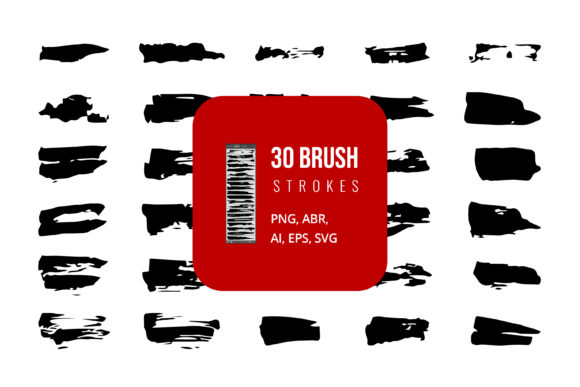
In the world of digital design, texture is often the subtle difference between a flat, sterile composition and one that feels alive, tactile, and human. The Set of Abstract Black Textured Strokes offers designers a powerful toolkit to bridge that gap. These are not merely simple lines; they are expressive marks that carry the weight of ink, the roughness of charcoal, or the fluidity of a dry brush. By integrating these elements into your workflow, you introduce an organic imperfection that resonates with viewers on a visceral level.
This collection is designed for versatility. Whether you are crafting a bold brand identity, designing a minimalist poster, or adding depth to a digital illustration, these strokes provide the raw material needed to elevate your visual narrative. The inclusion of multiple file formats—AI, SVG, EPS, JPG, PNG, and ABR brushes—ensures that you can adapt these assets to virtually any software environment, from Adobe Illustrator and Photoshop to Microsoft Word and PowerPoint.
The Power of Imperfection in Digital Design
Digital tools are inherently precise. Vector paths are mathematically perfect, and pixel grids are uniform. While this precision is necessary for technical accuracy, it can sometimes strip a design of its soul. Abstract black textured strokes reintroduce the concept of "happy accidents." They mimic the natural variations found in traditional media, such as the way ink bleeds into paper or how a brush skips over a rough canvas.
Using these textures allows you to break the monotony of clean geometric shapes. When you overlay a textured stroke on a solid color block, you create immediate visual interest. It draws the eye and invites the viewer to look closer. This technique is particularly effective in branding for companies that want to appear approachable, artisanal, or grounded. It suggests craftsmanship and attention to detail, qualities that are highly valued in today’s market.
Unlocking Versatility Across File Formats
One of the strongest advantages of this set is its comprehensive format compatibility. Understanding how to leverage each file type ensures you get the most out of your purchase.
- Vector Files (AI, SVG, EPS): These are essential for scalability. If you are designing a logo or a large-format print like a billboard, vector formats allow you to resize the strokes without any loss in quality. In Adobe Illustrator, you can easily manipulate the anchor points to customize the shape further, ensuring the stroke fits your specific layout needs.
- Brush Files (ABR): For digital painters and illustrators using Adobe Photoshop, the ABR brush files are invaluable. They allow you to paint with these textures in real-time, giving you complete control over pressure, opacity, and flow. This is ideal for creating custom compositions where you need the strokes to interact dynamically with other elements.
- Raster Files (JPG, PNG): These are perfect for quick integration into non-design software. If you are working in Microsoft Word, PowerPoint, or Canva, the PNG files with transparent backgrounds allow you to drag and drop these textures directly into your documents. They are excellent for adding a professional touch to presentations, reports, or social media graphics without needing advanced design skills.
Creative Applications for Modern Creators
The utility of abstract black textured strokes extends far beyond simple decoration. Here are several practical ways different professionals can incorporate them into their projects.
Brand Identity and Packaging
For brands aiming to convey authenticity, these strokes can serve as key visual elements. Imagine a coffee brand that uses rough, charcoal-like strokes to frame its label, suggesting the raw, unprocessed nature of the beans. Or consider a tech startup that wants to appear innovative yet human-centric; using fluid, ink-based strokes in their marketing materials can soften their corporate image. The contrast between sleek typography and rugged textures creates a memorable visual hierarchy.
Editorial and Print Design
In magazine layouts, book covers, or zines, textured strokes can be used as dividers, background elements, or focal points. They help guide the reader’s eye through the page. A heavy, black brushstroke behind a headline can make the text pop, while lighter, scratchy lines can add subtle texture to white space, preventing the layout from feeling empty. Editors and publishers can use these elements to create a distinct mood for different sections of a publication.
Digital Marketing and Social Media
Social media feeds are crowded. To stand out, your graphics need to stop the scroll. Using abstract strokes as frames for product photos or as dynamic backgrounds for quote cards can increase engagement. The organic nature of these elements contrasts sharply with the polished, filtered aesthetic common on platforms like Instagram, making your content feel more genuine and relatable. Marketers can use the PNG files to quickly overlay these textures on existing templates, saving time while boosting visual appeal.
Web and UI Design
While web design often favors clean lines, there is a growing trend toward "neo-brutalism" and organic web aesthetics. Textured strokes can be used as unique buttons, separators, or highlighters in user interfaces. They add character to landing pages and can be animated using CSS or JavaScript to create interactive experiences. For example, a stroke could appear to "draw itself" across the screen as the user scrolls, guiding them to the next section.
Best Practices for Implementation
To ensure your designs remain professional and effective, keep the following guidelines in mind when working with abstract textured strokes.
Maintain Visual Balance: Textures are powerful, but they can easily overwhelm a design if overused. Use them sparingly to accentuate key elements rather than covering every inch of the canvas. Let the negative space breathe. If you use a heavy, dark stroke, balance it with ample white space and clean, legible typography.
Consider Contrast and Legibility: When placing text over textured backgrounds, ensure there is sufficient contrast. Black strokes on a white background are classic, but if you place text directly over a complex texture, it may become hard to read. Consider placing text in a solid box over the texture, or using the strokes as a border rather than a background.
Consistency in Style: If your set includes various types of strokes—some dry and scratchy, others wet and fluid—choose one style and stick with it throughout a single project. Mixing too many different texture styles can make a design look chaotic and unplanned. Consistency helps establish a cohesive visual language.
Layering Techniques: In software like Photoshop or Illustrator, experiment with blending modes. Setting a textured stroke to "Multiply" can help it integrate more naturally with colored backgrounds, allowing the underlying colors to show through the lighter parts of the texture. This creates a more integrated and sophisticated look compared to simply placing the stroke on top.
Empowering Your Creative Workflow
The Set of Abstract Black Textured Strokes is more than just a collection of graphics; it is a catalyst for creativity. It removes the technical barrier of creating complex textures from scratch, allowing you to focus on composition and storytelling. Whether you are a seasoned graphic designer looking to speed up your workflow, a small business owner creating your own marketing materials, or an educator designing engaging presentations, these tools provide the flexibility and quality you need.
By embracing the organic, imperfect nature of these strokes, you invite a sense of humanity into your digital work. You move away from the generic and toward the distinctive. Start experimenting with these assets today. Drag a PNG into your next PowerPoint slide, import an SVG into your latest web project, or load the ABR brush into Photoshop for your next illustration. The possibilities are limited only by your imagination, and the results will undoubtedly add depth, character, and professionalism to your creative output.