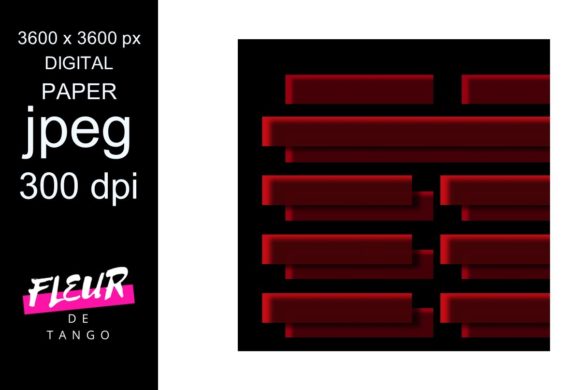
Unlocking Creative Potential: A Guide to High-Quality Abstract Digital Paper
In the rapidly evolving landscape of digital design and print-on-demand commerce, the foundation of any successful project often lies in its textures and backgrounds. Abstract digital paper has emerged as an indispensable resource for creators, ranging from hobbyist scrapbookers to professional graphic designers. These versatile assets are not merely decorative; they serve as the visual backbone for a myriad of creative endeavors. Whether you are crafting a brand identity, designing packaging, or creating social media content, the right digital background can elevate your work from ordinary to extraordinary.
This article explores the significance of high-resolution abstract papers, their practical applications across various industries, and why investing in premium, watermark-free files is crucial for professional results. By understanding the technical specifications and creative possibilities of these resources, you can streamline your workflow and enhance the aesthetic appeal of your projects.
The Versatility of Abstract Designs in Modern Creativity
Abstract art, by definition, does not attempt to represent an accurate depiction of visual reality. Instead, it uses shapes, colors, forms, and gestural marks to achieve its effect. When applied to digital paper, this abstraction offers a unique advantage: universality. Unlike specific photographic backgrounds that might clash with certain themes, abstract patterns provide a neutral yet engaging canvas that complements text, logos, and other design elements without overpowering them.
These beautiful papers are perfect for every creative project you can imagine. Their adaptability allows them to fit seamlessly into diverse contexts. For instance, a soft, watercolor-style abstract background might be ideal for wedding invitations, while a bold, geometric pattern could serve as the perfect backdrop for a tech startup’s business cards. The lack of literal imagery means the viewer’s focus remains on the primary message or product, while the background adds depth, texture, and emotional resonance.
Key Applications Across Industries
The utility of abstract digital paper extends far beyond simple desktop wallpapers. Here is how different sectors leverage these assets:
- Scrapbooking and Stationery: Digital scrapbookers use these papers to create layered, textured layouts that mimic traditional paper crafts without the physical mess. Similarly, stationery designers incorporate them into letterheads and journals to add a tactile feel to digital prints.
- Branding and Identity: From logo designs to business cards, abstract backgrounds help establish a brand’s mood. A minimalist abstract pattern can convey sophistication, while vibrant swirls might suggest creativity and energy.
- Packaging and Product Design: In the realm of e-commerce, packaging is the first physical touchpoint a customer has with a brand. Using high-quality abstract prints on boxes, labels, and wrapping paper creates an unboxing experience that feels premium and thoughtful.
- Digital Marketing: Website headers, social media banners, and email newsletters require eye-catching visuals that load quickly and look sharp on all devices. Abstract papers provide consistent branding elements that are easy to overlay with text.
- Print on Demand (POD): For entrepreneurs selling clothes, phone cases, or home decor, abstract designs are top sellers. They appeal to a broad audience because they are stylish yet non-specific, allowing customers to project their own interpretations onto the product.
Technical Excellence: Why Resolution and Quality Matter
When selecting digital assets, many beginners overlook technical specifications, assuming that any image found online will suffice. However, the difference between a amateurish result and a professional finish often comes down to resolution and file integrity. To ensure your creations look crisp and clear, whether on a screen or in print, you must prioritize high-quality source files.
Consider the standard provided by premium digital paper packs: a 300 DPI (Dots Per Inch) JPEG file with dimensions of 3600 x 3600 pixels. But what do these numbers actually mean for your work?
- 300 DPI for Print Readiness: DPI refers to the number of ink dots a printer places in one inch of space. Standard web images are often 72 DPI, which looks fine on a monitor but appears pixelated and blurry when printed. A 300 DPI file is the industry standard for high-quality printing, ensuring that your art prints, book covers, and invitations have sharp edges and smooth color gradients.
- 3600 x 3600 px for Flexibility: Pixel dimensions determine the size of the image. A 3600 x 3600 pixel square is large enough to be scaled down for small items like business cards or scaled up for larger formats like posters or fabric prints without losing detail. This versatility means you only need one file to cover multiple project types.
- No Watermarks for Professional Use: Watermarks are protective overlays used by stock agencies to prevent unauthorized use. However, they ruin the aesthetic of a design and are difficult to remove cleanly. Purchasing or downloading files with no watermarks ensures you have a clean, ready-to-use asset that respects your time and creative vision.
The Importance of File Format
The choice of a JPEG file is also significant. JPEGs are widely supported by virtually every design software, from Adobe Photoshop and Illustrator to free online tools like Canva. They offer a good balance between file size and image quality, making them easy to store, share, and upload to print-on-demand platforms. While PNGs support transparency, JPEGs are generally preferred for full-background textures where transparency is not required, as they maintain rich color depth.
Integrating Abstract Paper into Your Workflow
Understanding the value of these assets is the first step; knowing how to use them effectively is the second. Here are some practical tips for integrating abstract digital paper into your creative process:
Layering and Blending: Don’t just place the paper as a flat background. Experiment with blending modes in your design software. Modes like "Multiply," "Overlay," or "Soft Light" can interact with other elements, creating unique textures and shadows that add depth to your composition. For example, placing a text layer over an abstract paper and setting the text to a subtle blend mode can make the typography feel integrated into the artwork rather than just sitting on top of it.
Color Harmony: Abstract papers often feature complex color palettes. Use color picker tools to extract dominant hues from the paper and apply them to your text, logos, or accent elements. This creates a cohesive look that ties the entire design together. If the paper is busy, consider adding a semi-transparent shape between the background and the text to improve readability.
Scaling and Cropping: With a high-resolution 3600 x 3600 px file, you have the freedom to crop. You don’t have to use the entire image. Zooming in on a specific interesting section of the abstract pattern can create a completely new background texture. This allows you to get multiple uses out of a single high-quality image.
Common Misconceptions About Digital Assets
There are several misunderstandings regarding the use of digital papers that can hinder creativity. One common assumption is that abstract designs are too vague to convey a message. In reality, abstraction evokes emotion. A chaotic, jagged pattern might convey urgency or excitement, suitable for a sale banner, while smooth, flowing lines might suggest calmness, ideal for a spa’s book cover design.
Another misconception is that high-resolution files are unnecessary for digital-only projects. While it is true that screens display at lower resolutions, starting with a high-quality source allows you to resize down without quality loss. It future-proofs your work, allowing you to repurpose a social media graphic for a print flyer later without needing to find a new image.
Conclusion: Elevate Your Creative Projects
In conclusion, abstract digital paper is more than just a background; it is a fundamental tool for modern creators. Its ability to adapt to various mediums—from scrapbooking and art prints to packaging and website banners—makes it an invaluable asset in any designer’s toolkit. By prioritizing high-quality specifications such as 300 DPI resolution, large pixel dimensions, and watermark-free files, you ensure that your final products meet professional standards.
Whether you are a seasoned designer looking to streamline your workflow or a beginner eager to explore the world of digital art, incorporating these versatile papers into your projects can significantly enhance their visual impact. Embrace the flexibility and beauty of abstract designs, and watch as your creative possibilities expand. Remember, the right background doesn’t just fill space; it tells a story, sets a mood, and invites the viewer to engage more deeply with your content.
For those ready to transform their creative output, exploring a collection of high-quality abstract digital papers is the next logical step. With the right resources, every project becomes an opportunity to showcase professionalism and artistic flair.